
Denis Wick Steven Mead Euphonium Mouthpieces 101
Learn everything you need to know to get started on Denis Wick Steven Mead Euphonium Mouthpieces
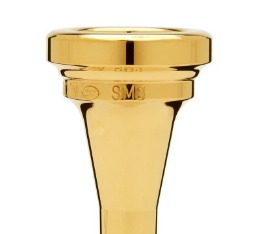
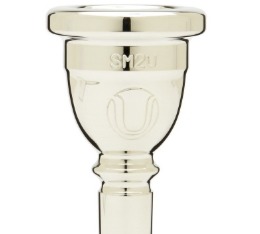
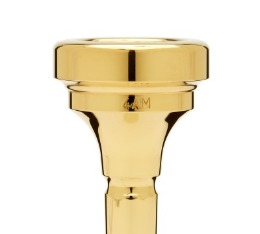
DenisWick offers a wide variety of Euphonium mouthpieces developed specifically forEuphonium. There are 3 different shank sizes, multiple styles, and variationswithin those styles. The below is a quick guide to the many options.
Shank Sizes:
There arethree shank sizes; small, medium (sometimes referred to as European), andlarge.
·Small – For the Wick Classic Euphoniumrange the small shank is identified with a “Yâ€� in the nomenclature i.e. 6AY. In the Wick Steven Mead range the smallshank mouthpieces are actually classified as Baritone mouthpieces. This isbecause small shank is not often found on Euphoniums the exception being some beginnermodels. The Mead range of baritone is identical to their Euphonium equivalentsizes but with a small shank.
·Medium/Euro – Medium shank mouthpiecescan be identified with an extra “mâ€� in the nomenclature. For classic; 4AM. For any Steven Mead range; SM4MU, SM3M.Medium shank is extremely rare at this point and is typically only found onvintage models. A quick way to test this is finding both small shank and largeshank euphonium or trombone mouthpieces, if neither fits it’s a medium shank.
·Large Shank – This is the standard for theSteven Mead range. Unless otherwise notated in the nomenclature with an “Mâ€� or“Yâ€� the mouthpiece with be large shank i.e. SM2, SM4U.
·Trombone – Some people still like to usea Denis Wick trombone mouthpiece. In this case small shank is identified withan “Sâ€� (4BS), large shank with an“Lâ€� (4AL).
Mouthpiece Style:
Thereare several Euphonium mouthpiece styles: Classic, Steven Mead Classic, StevenMead Ultra, Steven Mead Ultra with Variations.
·Classic– The Euphonium Classic range was one of the first purpose designedmouthpieces for Euphonium and Baritone. Where trombone bore is cylindrical Euphoniumis conical. The mouthpieces are very similar to the Classic trombone range butwith a modified throat and backbore section for better performance in theconical bore of a Euphonium. It is available in limited sizes and only in smalland medium shank.
·StevenMead Classic – Designed over 30 years ago, Mead Classic was the first fullrange Euphonium mouthpiece line offered by any manufacturer. Unlike the morebowl shaped cup design of a trombone mouthpiece the Mead Classic has very deep“Vâ€� shaped cups and more open back bores. It creates a rich velvety tone thatreally enhances the Euphoniums unique sound.
·StevenMead Ultra – The status ofEuphonium over the past 10-15 years haschanged from section instrument to main event. It is often used as a featuredsoloist, has increased concerto rep, and is often used in recitals. As such thedemands on the instrument have increased requiring more musical acrobatics,faster articulation response, and overall increased performance and efficiency.Wick and Steven Mead created the Ultra series as a solution to the growingperformance demands. The Ultra series has a modified “Vâ€� cup that is a crossbetween a trombone bowl shape and the traditional deep “Vâ€�. This modified cupstill provides a very rich traditional Euphonium sound but gives the player theextra support they need for upper register response, articulation, andendurance.
·StevenMead Ultra X and XR series – Recently Denis Wick has offered a couplevariations on the Ultra series. These are limited to jut a few sizes within theline at this time. The Ultra X series offers a sharper inner rim and a tighterback bore. It makes for a brighter sound but with increased responseparticularly in the upper register. The Ultra XR series utilizes the tighterbackbore from the X series but has a rounded rim. The rounded rim addsflexibility for lip trills and interval slurring.
The world of mouthpieces can be difficult to sort outespecially when there are less and less places that have stock to play test. Agreat option to utilize is our DF Music trial program. Not only can you try outseveral mouthpieces but you will also have the opportunity to take advantage ofa free comprehensive mouthpiece consultation with long time Denis Wick andbrass specialist Richard Galime. Contact us at [email protected].